
The Question They Are All Asking and Nobody Is Answering
The grass at Redhill was still wet at half past nine when I arrived, that particular August dampness that soaks through your shoes before you have reached the first aircraft on the line and stays with you all morning. It had rained overnight. It rains overnight more often than the summer calendar would suggest. And there is always a moment, standing at the edge of a grass strip in that early light with the avgas smell just beginning to lift off the warm tarmac apron nearby, when the day feels genuinely uncertain in the way that only outdoor events can feel uncertain, where the whole enterprise seems to depend on the weather holding and the aircraft arriving and the marshals staying cheerful and twenty other variables none of which anyone controls.
That morning I overheard two of the people who run things talking by the clubhouse. I was not meant to hear. They were not being indiscreet, just standing close enough that I caught the thread of it. One of them was saying that they had had the conversation again with the site owners, and the other was nodding in the way that means they had expected to hear this and were not surprised and were tired of not being surprised. I do not know the details of that conversation. I know the shape of it. I have heard versions of it at events across the south of England for a decade now.
The shape of it is: we cannot carry on exactly like this indefinitely.
That same question, in a slightly different register, is what the Madras Airshow of the Cascades has put into public language this season. Madras, Oregon, is not a place that British airshow audiences tend to know unless they have specifically followed the American regional circuit, which is its own ecosystem with its own pressures and pleasures. It is a small city in high desert country east of the Cascades, the kind of place where an airshow is not a supplementary entertainment but one of the few events in a year that draws the community together around something shared and temporarily extraordinary. The show has been running long enough that its absence would leave a mark. And the people who run it have now said plainly, which is rarer than it should be, that they are asking whether they can continue.
The specific pressures they cite are multiple: funding, volunteer exhaustion, the creeping cost of compliance, the difficulty of securing display acts whose own costs have risen faster than the gate receipts that are supposed to cover them. These are not unique to Madras. They are the standard inventory of pressures facing every small and medium-sized airshow in any country that takes aviation regulation seriously, which most developed nations now do, and which costs real money at every level of the food chain. What is different about the Madras situation is not the pressures. It is the willingness to say “are we next” rather than “we will find a way.”
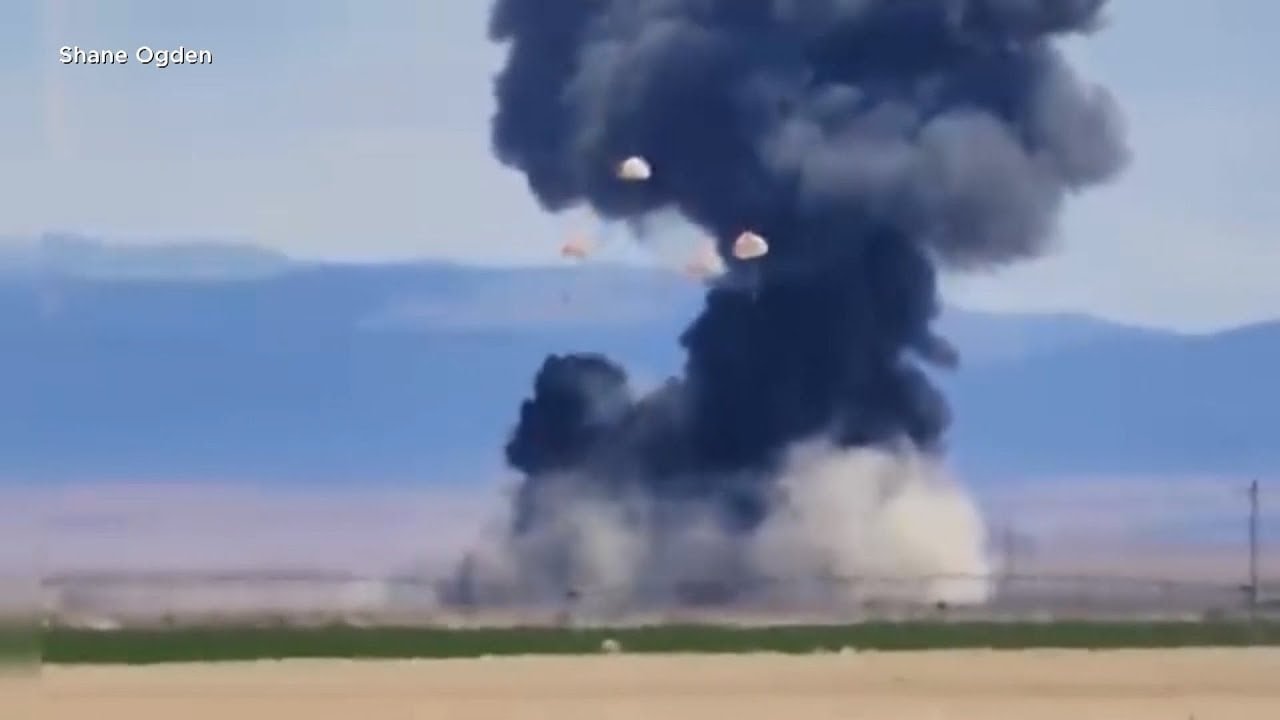
That phrase is important. It is doing something that airshow culture rarely does, which is acknowledging the structural reality rather than performing resilience. I have watched events in this country adopt the performance of resilience for years while the underlying situation deteriorated. The show goes ahead, the programme is announced, the crowds are thanked for their support, and the question of whether any of this is actually sustainable is deferred to after the event, and then deferred again, until one year the website goes dark and there is no announcement because there is nobody left to make it.
I find it genuinely uncomfortable when airshow organisers praise their audiences for loyalty without telling those audiences what loyalty actually requires. It is a form of dishonesty with people who have earned better, who have given their Sundays and their money and in some cases decades of voluntary labour to keeping these events alive. They deserve the honest version of the conversation, not the version that has been edited to avoid worrying anyone.
The CAA has, in the years since Shoreham, tightened the regulatory framework for display flying in Britain in ways that were partly necessary and partly driven by institutional anxiety rather than operational evidence. I have said this before. The cumulative effect on small shows has been real and largely unacknowledged in public by the people who made the decisions. Compliance costs that a major show can absorb across a large operating budget become existential questions for an event running on four committee members and a shared spreadsheet. That is not a criticism of safety regulation in principle. It is a statement of arithmetic.
What Madras has done by asking the question publicly is create the possibility of an honest answer. The worst thing that could happen is for the question to be answered with reassurance rather than honesty, with a fundraising campaign that papers over a structural problem for another two or three years before the same question recurs with less time to respond to it.
The shows that survive are the ones where everyone involved is told the truth at the same time. Madras asked. Now someone needs to actually answer.

Alex Bradley is a UK-based aviation writer and airshow circuit regular who has spent years attending displays from RIAT at Fairford and the Biggin Hill Festival of Flight to small fly-ins that drew two hundred people and a hot dog van, and values both for entirely different reasons.
He is not a pilot. He is not a PR man for the aviation industry. He is the person in the crowd who has been coming long enough to notice when something has quietly changed, when an organiser is papering over a problem, and when a display is genuinely worth the drive.
His writing on Redhill Airshow covers the British airshow circuit, safety, display team politics, CAA regulations, and the quiet contraction of grass airfield culture that nobody in the industry wants to discuss plainly.
He has stood at Redhill Aerodrome in every kind of English summer weather, watched Tiger Moths bank low over Surrey farmland, and carries strong opinions about what this country is slowly losing one cancelled event at a time.