There is a section of the flight line at most British airshows that I have come to think of, privately, as the grief line. It is not marked. Nobody acknowledges it. It is the point at the display axis where you can see the change that happened after Shoreham, where the geometry of a display has shifted so that certain manoeuvres that were once performed over or toward the crowd are now performed further away, at different angles, within parameters that the CAA recalibrated following an afternoon in August 2015 when eleven people did not go home.
I am not being critical of those changes. I want to be clear about that. The changes were necessary, some of them were overdue, and the fact that the review happened was, whatever its imperfections, the right response to a catastrophic failure. What I am describing is not a policy objection. It is a sensory observation. You can feel the difference if you have been attending long enough. The displays are reconfigured around an absence that nobody names from the commentary box, and after a while you stop expecting them to.
I have been thinking about Shoreham since the American airshow safety review announcements began to emerge in the weeks following the Idaho crash, because the shape of what is happening in America is recognisable to anyone who watched what happened here after 2015, and the recognisable parts include both what went right and what went considerably less right than the official accounts tended to suggest.
The reviews being conducted by American show organisers are, from what the aviation press has reported, focused principally on flight path geometry: the angles at which high-performance military aircraft conduct display manoeuvres relative to the crowd line, the altitude parameters at various points in a sequence, and the separation distances that apply when something departs from the planned display profile. These are reasonable things to review. They are, in fact, exactly the kinds of things that the post-Shoreham changes addressed in the British context, and the fact that they are now being addressed in America following a serious military incident is a version of how safety culture in aviation has always worked. Something goes badly wrong. The parameters are reviewed. The rules change.
The problem with that model, and I want to state this plainly because I do not think it gets stated plainly enough in the coverage of these reviews, is that it is inherently reactive. It addresses the conditions that produced the last incident rather than the conditions that will produce the next one. In Britain after Shoreham, the CAA review was comprehensive and largely serious, and the changes it produced have, I believe, made display flying safer in specific and meaningful ways. But the review was also, in parts, a process that generated the appearance of thorough examination while leaving certain structural questions about how display authorisations were granted and monitored in a state that veterans of the circuit found less than fully transformed. I know this because I spoke to people on both sides of it at the time, and the gap between the official account of how the process worked and the experienced reality of those who operated within it was not trivial.
There is a particular kind of institutional review that is conducted in good faith, produces real improvements, and simultaneously does not ask the questions that would implicate the institution itself. I am not suggesting that is what is happening with the American flight path review. I am suggesting it is a pattern worth watching for, specifically because the alternative, which is a review that genuinely interrogates the procurement decisions, training hours, and operational tempo that put military crews in situations where they need ejection seats at airshows, would be considerably more disruptive than a reconfiguration of display geometry.
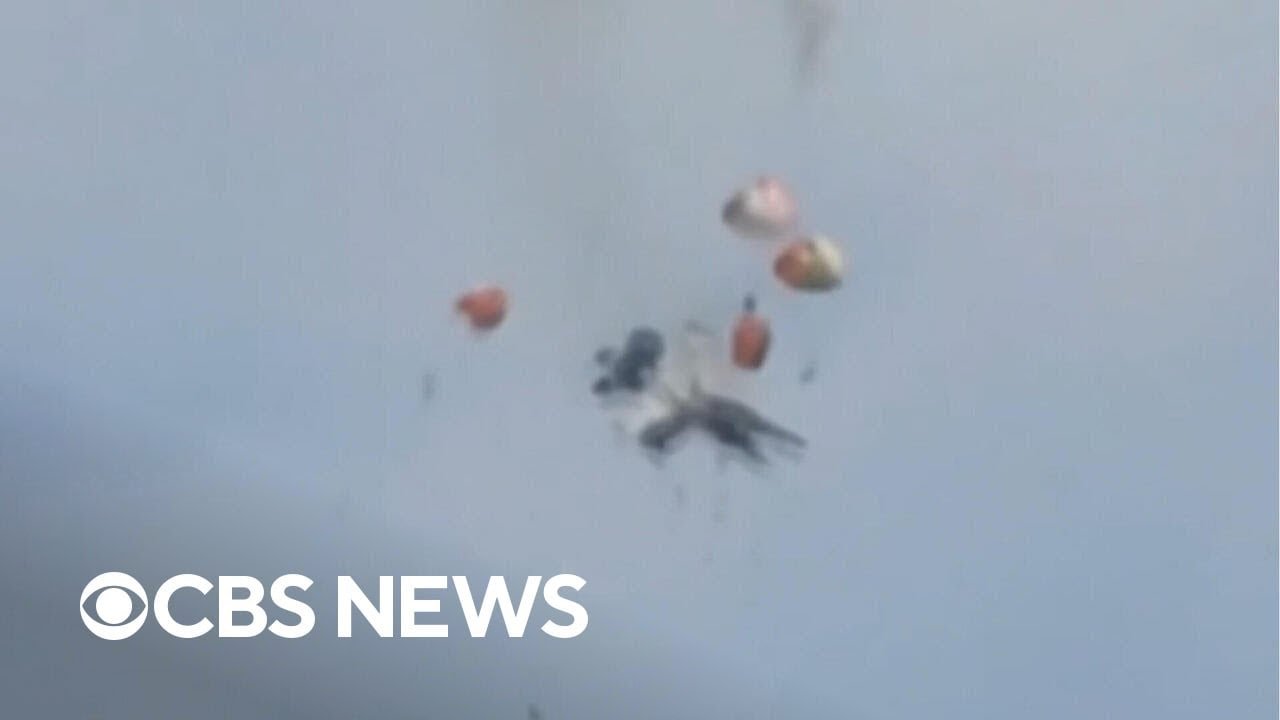
The thing that surprised me, reading the coverage, was not the content of the reviews but their speed. Announcements of intent to review came with a rapidity that suggested either genuine institutional alarm or a managed response designed to demonstrate seriousness of purpose before the questions about root cause became too specific. Possibly both. The two are not mutually exclusive and in my experience of watching organisations respond to safety incidents, they frequently coexist in proportions that shift over time.
What I know from standing at British displays after 2015 is that the changes you can see are not the whole story. The changes you cannot see, in the conversations between display directors and CAA officials, in the authorisation decisions made months before an event, in the accumulation of institutional memory that determines what gets asked and what does not get asked during a pre-season assessment, those are the changes that actually determine whether the same conditions that produced a previous incident can produce a future one. The flight path geometry is the visible surface of a much larger and more complicated set of decisions.
America is, right now, at the beginning of a review process whose visible surface is already in motion. Whether it reaches the less visible parts will determine whether it is adequate to what actually happened over Idaho. Those two things are different questions with different answers, and the difference between them is where the honest accounting either happens or does not.
The grief line at a British show is quiet. The commentary box talks around it. The crowd watches something slightly different from what it watched before and adapts, because people adapt.
Whether adaptation is the same as understanding is a question worth keeping open.

Alex Bradley is a UK-based aviation writer and airshow circuit regular who has spent years attending displays from RIAT at Fairford and the Biggin Hill Festival of Flight to small fly-ins that drew two hundred people and a hot dog van, and values both for entirely different reasons.
He is not a pilot. He is not a PR man for the aviation industry. He is the person in the crowd who has been coming long enough to notice when something has quietly changed, when an organiser is papering over a problem, and when a display is genuinely worth the drive.
His writing on Redhill Airshow covers the British airshow circuit, safety, display team politics, CAA regulations, and the quiet contraction of grass airfield culture that nobody in the industry wants to discuss plainly.
He has stood at Redhill Aerodrome in every kind of English summer weather, watched Tiger Moths bank low over Surrey farmland, and carries strong opinions about what this country is slowly losing one cancelled event at a time.