
The Empty Slot in the Programme
There was a gap in the flying display at Farnborough two years ago that I don’t think anyone in the official press coverage mentioned. It wasn’t listed as a gap. It appeared on the programme as something else, a revised slot, a “display subject to confirmation” that had been confirmed for months and then quietly wasn’t, and the reason given informally, the reason you heard standing near the static display line talking to people who actually knew, had nothing to do with weather or airspace or the mechanical snag they cited. It had to do with where the aircraft was built, who had recently announced what about trade relationships with whom, and a phone call from somewhere above the organiser’s pay grade.
I’ve been coming to these events long enough to understand that what appears in the sky is never purely an aviation decision. It never was. But there is something different happening now, and it is happening across the whole circuit, from Farnborough to Oshkosh, and I do not think it is being discussed honestly in any of the places where it ought to be discussed.
The Russian aircraft are gone, obviously. Have been since 2022. That was visible, abrupt, and nobody pretended otherwise. The Sukhoi display teams, the aerobatic acts that used to draw genuine crowds at European shows, simply stopped appearing, and the gap they left was real enough that some programmes looked noticeably thinner for a season or two. That was a clean break. You knew what it was and why.
What is happening now is less clean. It is the slow withdrawal of things that were present before and are now absent without clear explanation. Chinese aerospace manufacturers who were building a presence at Farnborough and Le Bourget have pulled back, some of them entirely. Certain defence programmes that were previewed enthusiastically two cycles ago are no longer being exhibited, not because they failed, but because the politics of showing them to a mixed international audience in the current climate has become complicated in ways that nobody wants to put in a press release. At Oshkosh last year, which I didn’t attend but followed closely enough through people who did, there were absences in the international pavilion that would have been unthinkable in 2019. They were not acknowledged as absences. They were simply not there.
This matters to me for reasons that go beyond the enthusiast’s interest in a full programme. The large international airshows have always served two audiences simultaneously: the trade audience, which is buying and selling things with enormous geopolitical implications, and the public audience, which is watching Typhoons do knife-edge passes and eating overpriced burgers in the sun. These two audiences have always coexisted in a slightly uneasy way, but the arrangement worked because it meant the public face of aviation was genuinely international. You could stand at Farnborough and watch aircraft from twenty countries, some of which had complicated relationships with each other, and there was something in that which felt, if not exactly hopeful, then at least functional. Evidence that the sky was shared.
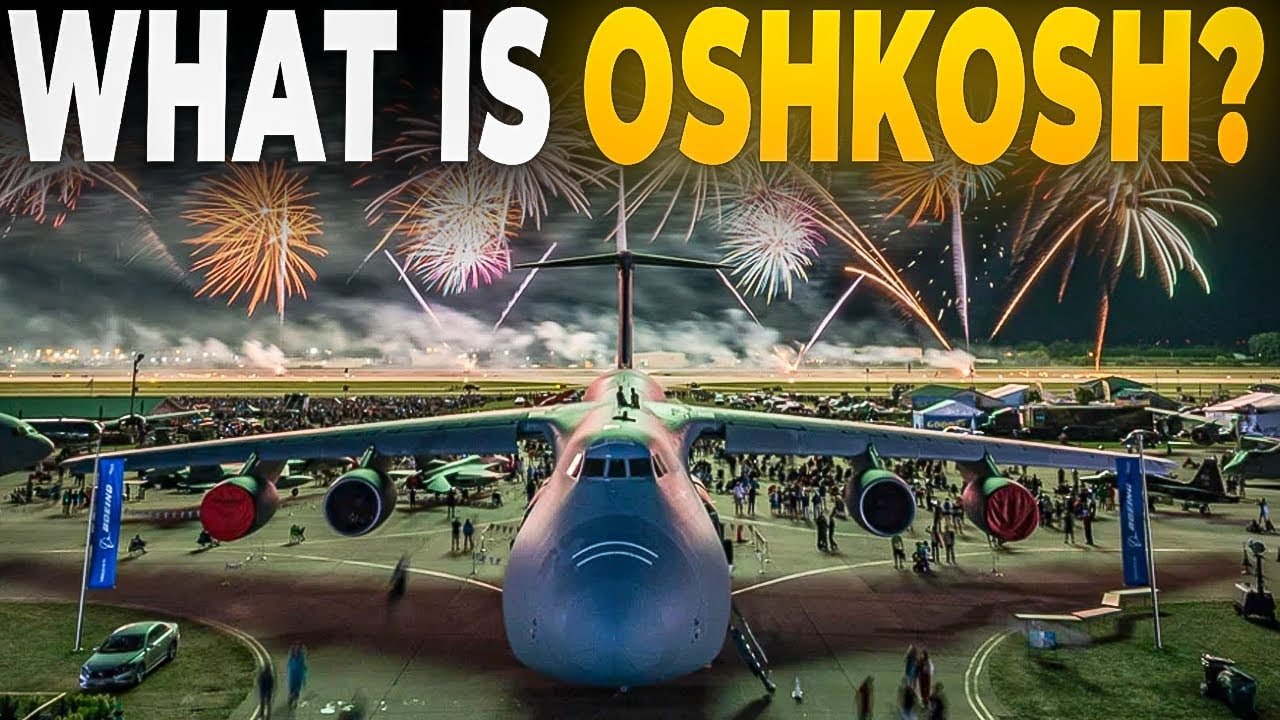
The sky is less shared now. And the shows are beginning to reflect it in ways that are being handled with a communicative honesty I find genuinely inadequate.
I have a specific frustration here. I have watched British airshow organisers, over many years, cite CAA restrictions and airspace conditions for cancellations and programme changes that had nothing to do with either, and I have watched the aviation press accept those explanations without question because questioning them is awkward and nobody wants to be seen as the person making trouble at an event they love. The same dynamic is now operating at the international level, except the things being obscured are not budgets and scheduling conflicts but diplomatic calculations and export control anxieties that the paying public at these events has a reasonable interest in understanding.
The Farnborough International Airshow is not only an airshow. It is one of the world’s largest defence trade gatherings. The flight displays are, in a very real sense, the entertainment provided to keep the public engaged while serious transactions occur nearby. That has always been true. But when those transactions are being shaped by sanctions regimes, alliance realignments, and technology transfer restrictions in ways that are visibly affecting what appears in the flying programme, and when the organisers and the trade press and the official communications treat this as simply normal variation in a normal year, something honest is being withheld.
Redhill is not Farnborough. I am not drawing a straight line between a warm Tuesday evening on a Surrey grass strip and the geopolitical architecture of the global defence industry. But the enthusiasts who come to places like Redhill are also the people who travel to the big shows, who read the programmes, who notice what is missing from a static line that used to have more in it. They deserve a more honest account of why the circuit looks the way it currently looks.
The airshows will continue. The gaps will be papered over with revised programmes and diplomatic non-answers. But the gaps are there, and they are not accidental, and they are getting wider.

Alex Bradley is a UK-based aviation writer and airshow circuit regular who has spent years attending displays from RIAT at Fairford and the Biggin Hill Festival of Flight to small fly-ins that drew two hundred people and a hot dog van, and values both for entirely different reasons.
He is not a pilot. He is not a PR man for the aviation industry. He is the person in the crowd who has been coming long enough to notice when something has quietly changed, when an organiser is papering over a problem, and when a display is genuinely worth the drive.
His writing on Redhill Airshow covers the British airshow circuit, safety, display team politics, CAA regulations, and the quiet contraction of grass airfield culture that nobody in the industry wants to discuss plainly.
He has stood at Redhill Aerodrome in every kind of English summer weather, watched Tiger Moths bank low over Surrey farmland, and carries strong opinions about what this country is slowly losing one cancelled event at a time.