
The conversation that keeps coming back to me happened at Fairford two summers ago. A man standing near the static park, someone I had seen at enough events to recognise but not quite know, turned to nobody in particular and said that he was not sure how many more of these there would be. He meant RIAT specifically. He was right, as it turned out.
RIAT 2026 is cancelled. The reason cited is the Iran War and the operational demands it has placed on the aircraft and personnel that make the event possible. That reason is real, unlike some of the reasons British events have given for contracting over the years. But the effect is the same. The largest military airshow in Europe will not happen this summer, and the global aviation calendar now has a gap where its centrepiece used to be.
Into that gap, Oshkosh walks without breaking stride.
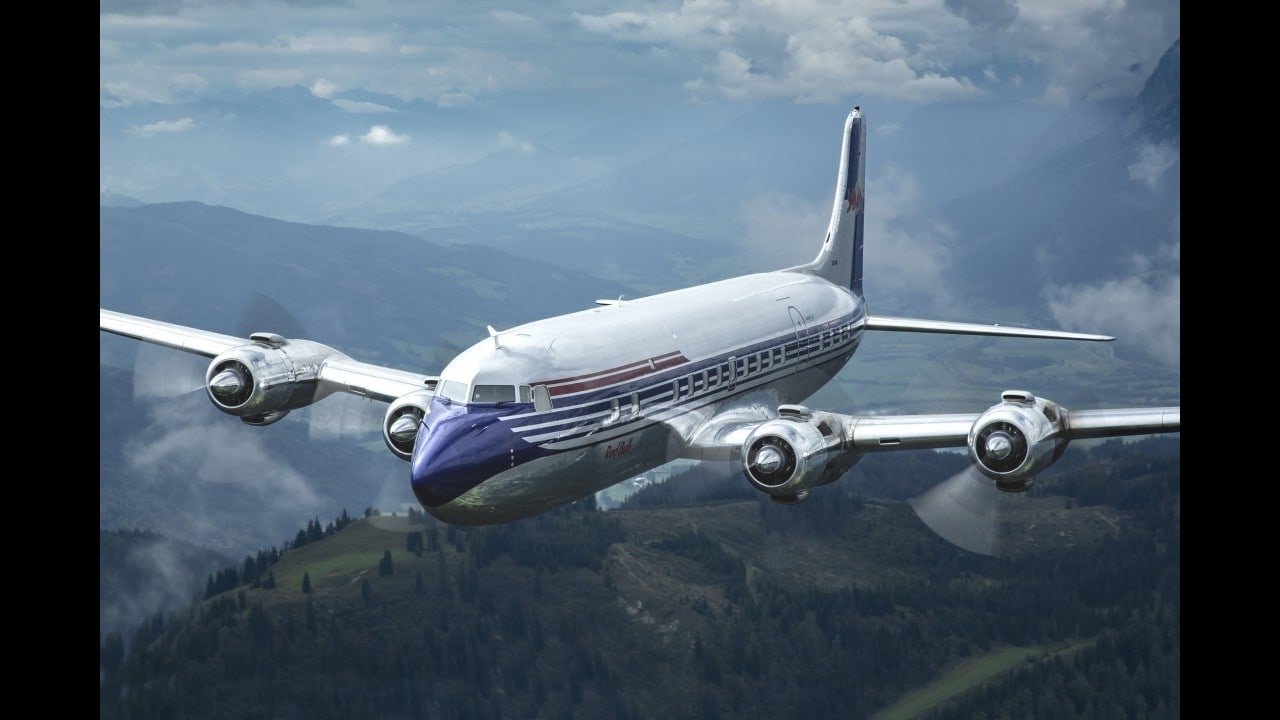
AirVenture 2026 runs from 20 to 26 July at Wittman Regional Airport in Wisconsin. Over 600,000 visitors across seven days. More than 10,000 aircraft operations in a week. Nine airshows across the programme, including a night show on 22 July and afternoon displays presented by Daher. The Red Bull Air Force and the US Army Golden Knights are confirmed. More performers are still being announced. The 2026 edition is framed around America’s 250th birthday, which gives the whole thing a celebratory weight that the rest of the international season is not carrying this year.
I have been to Oshkosh once. I want to be honest about what it felt like from a British perspective, which is specifically disorienting. The scale is genuinely difficult to process. At Redhill, the distance between you and a taxiing aircraft is a rope and a marshal. At Oshkosh, the distance between you and the nearest runway is still not very far, but the number of runways, the number of aircraft, and the number of people require a different mental framework entirely. It is not a bigger version of what we do here. It is a different category of thing.
What makes Oshkosh structurally different from every major European airshow is that it does not depend on military participation to function. It never has. The military presence adds to it, and the Golden Knights over Wisconsin are worth watching, but the event exists because of the EAA membership and the pilots who fly their own aircraft from across the continent to be there. That base is self-sustaining in a way that RIAT’s base never was. When geopolitics removes the fast jets, Oshkosh still has 10,000 aircraft and 600,000 people.
That structural fact matters more in 2026 than it has in any previous year. The British and European airshow community has spent the better part of a decade watching events contract, citing various combinations of CAA regulation, insurance costs, sponsor withdrawal, and now genuine military operational commitments. Some of those reasons are honest. Some are not. The result in either case is the same: fewer events, smaller programmes, crowds learning not to expect too much. Oshkosh has not had that conversation because it has not needed to.
The thing that changed my thinking about AirVenture was not the flying, which is extraordinary in the specific way that volume and variety produce. It was a conversation with a man from Minnesota who had been coming for thirty-one years and treated the logistics of a week in Oshkosh with the matter-of-fact competence of someone doing something they have simply always done. He was not evangelical about it. He was not selling anything. He just went, every year, because it was worth going to.
That relationship between an event and its audience is what the British airshow circuit has been quietly losing. The audiences are still there, or they were. But the implicit promise that the event would deliver what the programme suggested has been broken often enough that people have started to manage their expectations downward. Oshkosh has not asked its audience to manage expectations downward. It has, if anything, done the opposite.
With RIAT gone for 2026 and the international community looking for a barometer of where aviation display culture stands, Oshkosh is now carrying weight it was never designed to carry. It will carry it without apparent difficulty. That is either reassuring or instructive depending on how you feel about what the rest of the calendar has become.
The event that does not need saving is always the one that was never built on the assumption that someone else would pay for it.

Alex Bradley is a UK-based aviation writer and airshow circuit regular who has spent years attending displays from RIAT at Fairford and the Biggin Hill Festival of Flight to small fly-ins that drew two hundred people and a hot dog van, and values both for entirely different reasons.
He is not a pilot. He is not a PR man for the aviation industry. He is the person in the crowd who has been coming long enough to notice when something has quietly changed, when an organiser is papering over a problem, and when a display is genuinely worth the drive.
His writing on Redhill Airshow covers the British airshow circuit, safety, display team politics, CAA regulations, and the quiet contraction of grass airfield culture that nobody in the industry wants to discuss plainly.
He has stood at Redhill Aerodrome in every kind of English summer weather, watched Tiger Moths bank low over Surrey farmland, and carries strong opinions about what this country is slowly losing one cancelled event at a time.